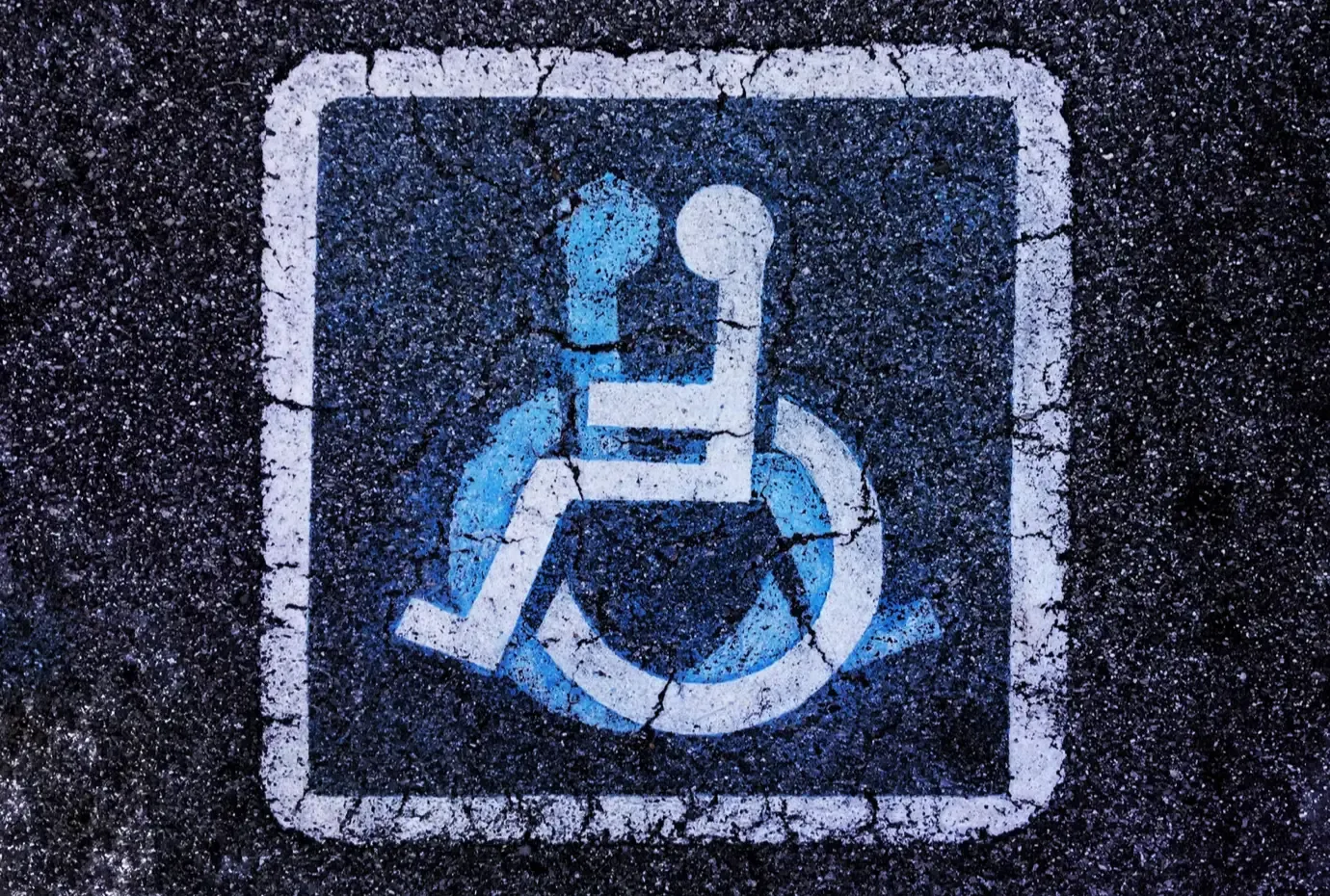
In a landscape dominated by complex digital systems, it is critical to recognise that audiences do not all interact with the web in the exact same way.
For over 1.3 billion people globally living with some form of disability, everyday digital navigation can be a frictionless experience or an insurmountable barrier.
At MadeByPi, we view web accessibility not as a superficial compliance exercise or a legal checkbox to satisfy. It is our core responsibility to ensure that every product we create can be seamlessly utilised by all users, completely irrespective of their physical or cognitive abilities.
The strategic and legal business case for inclusive architecture
Prioritising inclusive design is a moral imperative, reflecting the fundamental principle that everyone deserves equal, unhindered access to digital experiences and information. However, embedding accessibility deep into a platform's code and design system also represents an astute commercial strategy:
- Expanded market reach: Designing with broad accessibility opens your digital product to a wider audience, directly driving broader engagement and mitigating user drop-off.
- Elevated universal usability: As usability frameworks dictate, prioritising accessible design naturally refines the user experience for all visitors. Clean layouts, precise typographic hierarchy, and intuitive navigation structures universally enhance platform clarity.
- Mitigating risk: Across global markets, accessibility is heavily mandated by strict statutory frameworks. In the UK (via the Equality Act) and in regions such as the US (via Section 508 and the ADA). Failing to comply does not just damage user retention it directly exposes an organisation to legal liabilities, financial penalties, and brand degradation.
Navigating the technical landscape: Decoding WCAG metrics
To build digital infrastructure that commands trust, MadeByPi develops in strict adherence to the Web Content Accessibility Guidelines (WCAG), the global benchmark established by the World Wide Web Consortium (W3C).
When mapping out technical specifications and design systems, platforms are audited against two primary tiers of compliance:
Visual governance
True ‘accessibility’ cannot be achieved in isolation. It requires deep, cross-functional collaboration between digital strategists, UI/UX designers, front-end developers, and project managers. At MadeByPi, we consider accessibility at every stage of development:
Strategic UI/UX
Our design methodologies treat visual clarity as a foundational pillar of effective UI design:
- Contrast metrics: We meticulously validate colour pairings to ensure exceptional readability, providing an interface that is fundamentally clean and legible.
- Typographic legibility: Placing text over dynamic, unpredictable imagery often compromises readability. We strategically pair font families, establish responsive type scales, and ensure that body copy remains perfectly legible even at its minimum scale.
- Interface states: Relying solely on colour changes to communicate active or highlighted states fails users with colour vision deficiencies. We recommend distinct visual cues such as structural outlines, text underlines, and explicit icons to reinforce context.

Front-end development
A considered visual mockup is only as good as the underlying code that powers it. Our development teams bridge the gap between design and functionality.
- Full keyboard navigation: For users unable to operate a mouse, a website must be entirely navigable via keyboard inputs. We program logical, highly visible focus states to allow users to move smoothly and predictably through an application flow.
- Robust screen reader optimisation: Non visual users rely on assistive technologies to parse digital data. We construct platforms using semantic, human readable HTML architecture, ensuring that screen readers can accurately interpret the layout. This includes enforcing contextual alt-text for non-text assets and building robust ARIA attributes directly into our bespoke components.

Product management
Our project managers act as the crucial enablers of accessibility, ensuring it remains prioritised from discovery through to deployment:
- Client & stakeholders: We actively consult with internal teams and clients, helping stakeholders understand the commercial, operational, and ethical value of accessible products.
- Establishing clear project scope: We define expectations early, ensuring stakeholders are fully aligned on regulatory requirements, development steps, and organisational responsibilities.
- Securing quality assurance windows: True compliance requires dedicated automated and manual auditing at multiple stages of the project. Our delivery processes protect the time and resources required to get it right.

ROI of inclusive infrastructure
When you build with inclusion at the core, the benefits ripple across your entire organisation. An accessible platform built on rigid UX guidelines and clean code is fundamentally faster, more stable and easier to navigate for every single visitor.
By developing for all, you directly protect your brand from legal exposure, maximize your customer acquisition funnel and demonstrate that your organisation values modern digital excellence.
At MadeByPi, we firmly believe that technology must serve as an enabler, never an obstruction. By blending strategic design with technical expertise, we ensure that no user is locked out of your platform.