
If you've been researching modern website builds or digital platforms, then the chances are you've come across the term "headless CMS". It's one of those buzzwords that gets thrown around a lot - often without much explanation.
So what is a headless CMS, how is it different from a traditional CMS, and when does it actually make sense to use one?
Let's break it down.
What is a CMS?
A Content Management System (CMS) is software that allows teams to create, manage and publish content without needing to write code.
In a traditional CMS, everything lives in one place:
- Content is stored in the CMS
- Templates control how that content looks
- The CMS renders the final website pages
Classic examples include WordPress, Drupal and Joomla.
This "all-in-one" approach works well for many sites - but it also comes with limitations.
What does "Headless" mean?
A headless CMS removes the "head" - the front end presentation layer.
Instead of controlling how content looks, a headless CMS:
- Stores and manages content only
- Exposes content via APIs (usually REST or GraphQL)
- Lets developers build the front end however they like
The website, app or platform becomes completely decoupled from the CMS.
Popular headless CMS platforms include Contentful, Strapi, and Payload.
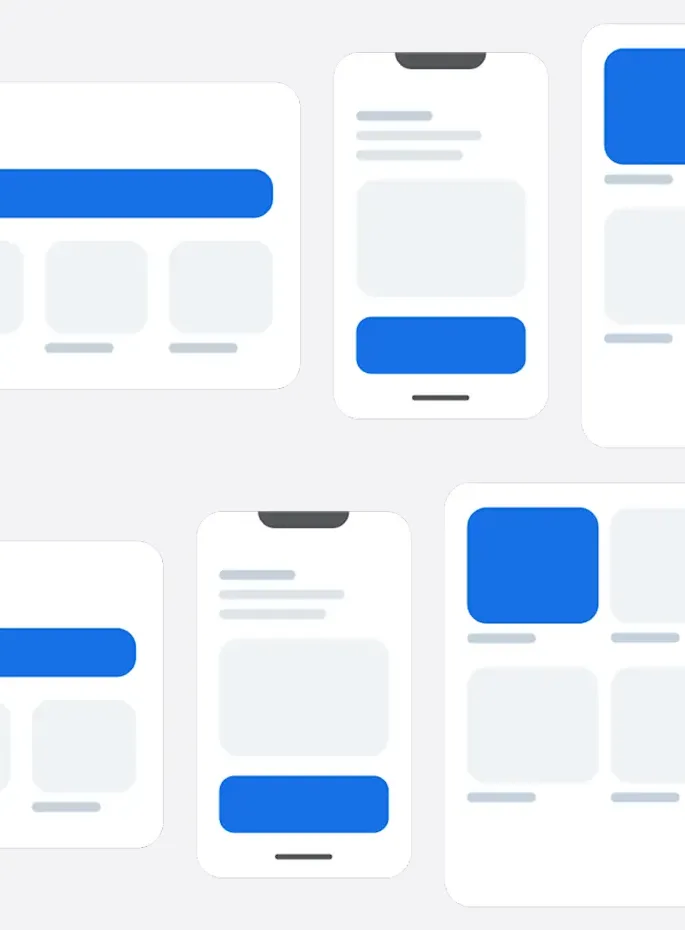
Traditional CMS vs Headless CMS
Traditional CMS
- Front end and back end tightly coupled
- Faster to set up for simple sites
- Limited flexibility for complex experiences
- Harder to reuse content across platforms
Headless CMS
- Front end and back end fully decoupled
- Content delivered via APIs
- Front end can be anything (React, Vue, mobile apps, kiosks, etc.)
- Content reusable across multiple channels
Neither is "better" by default - it totally depends on what you're building.
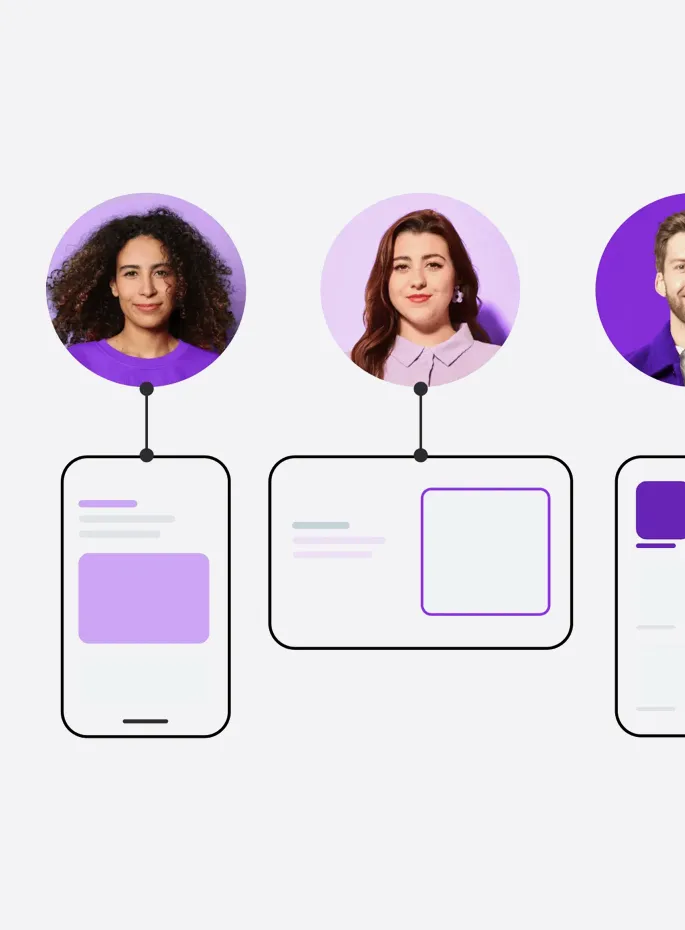
When does a Headless CMS make sense?
A headless CMS is particularly effective when:
You need flexibility in the front end
If you're building:
- A bespoke website
- A web app
- A mobile app
- Multiple front ends from the same content
Headless gives you total control over UX, performance and technology choices.
You're planning for growth or change
Headless architectures are future proof. You can:
- Redesign the front end without touching content
- Add new channels (apps, portals, digital displays)
- Evolve your tech stack over time
- This is ideal for organisations with long term digital roadmaps.
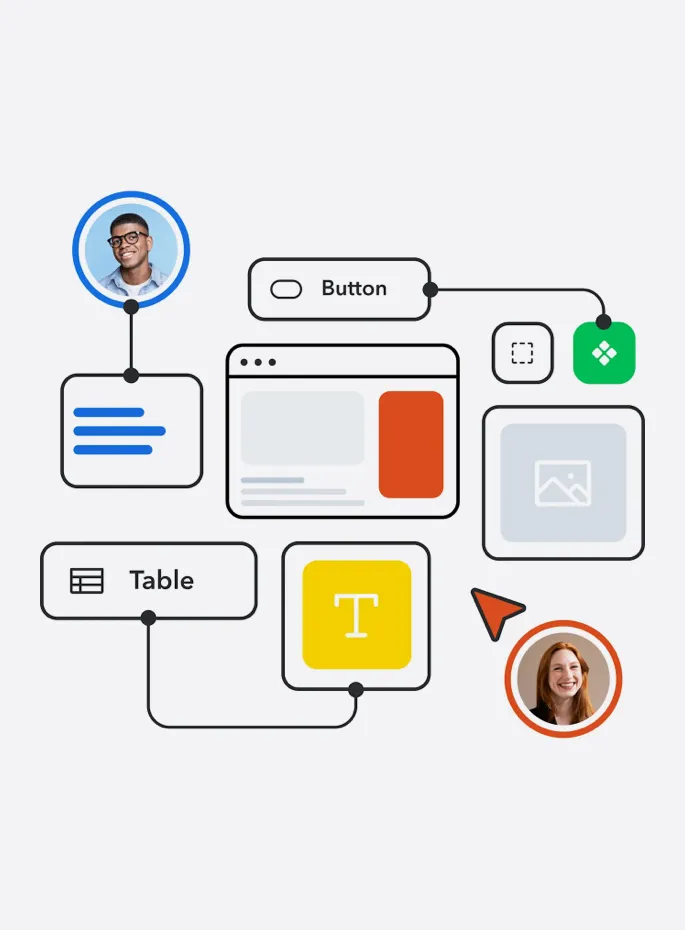
Performance really matters
Decoupled front ends can be:
- Faster
- More secure
- Easier to optimise
Especially when paired with modern frameworks and Content Delivery Network based delivery.
You have complex content models
Headless CMS platforms excel at:
- Structured content
- Reusable components
- Editorial workflows for large teams
This is a big win for enterprises and content heavy organisations.
When a Headless CMS might be overkill
Headless isn't always the right answer.
It may not be the best choice if:
- You need a simple marketing site
- Budget or timelines are tight
- You want lots of 'off the shelf' themes and plugins
- You don’t need custom functionality
In these cases, a traditional CMS can still be the most sensible and cost effective option.
Headless CMS at MadeByPi
At MadeByPi, we don't push headless by default.
We help clients choose the right architecture for their goals, whether that’s:
- A traditional CMS
- A hybrid approach
- A fully headless, API-driven platform
When headless makes sense, we design and build solutions that balance flexibility, performance and long term maintainability - without unnecessary complexity.
Final thoughts
A headless CMS isn't a silver bullet - but in the right context, it's a powerful foundation for modern digital experiences.
If you're planning a new platform, replatforming an existing site, or wondering whether headless is right for you, we're always happy to talk it through.